
Unlock New Creative Possibilities with AI Art and Music Generation
Artificial intelligence has revolutionized creative work, making sophisticated art and music production accessible to everyone. What once required years of training and expensive equipment can now be accomplished in minutes through AI-powered tools. For small business owners, this technological shift represents a remarkable opportunity to produce professional-quality visual and audio content without breaking the bank or hiring specialized talent.
AI art and music generation tools have rapidly evolved from experimental novelties into practical business assets. These platforms can create unique logos, social media graphics, promotional videos, and custom soundtracks tailored to your brand’s identity. The technology democratizes creativity, allowing entrepreneurs to compete with larger companies that have dedicated creative departments. Whether you need eye-catching visuals for an advertising campaign or an original jingle for your podcast intro, AI generation tools offer speed, affordability, and surprising quality. Understanding how to leverage these technologies effectively can transform your marketing efforts and help your business stand out in crowded markets.
Understanding AI Art Generation
AI art generation uses machine learning algorithms, particularly neural networks, to create visual content based on text descriptions or other inputs. These systems have been trained on millions of images, learning patterns, styles, and relationships between visual elements and language. When you provide a prompt like “a sunset over mountains in watercolor style,” the AI interprets your words and generates a unique image matching that description.
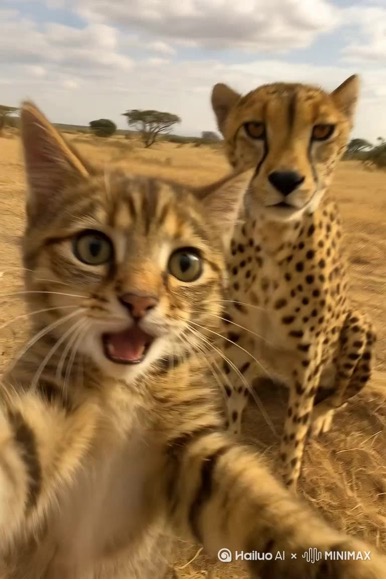
The technology relies primarily on diffusion models and generative adversarial networks. Diffusion models start with random noise and gradually refine it into coherent images, while GANs use two competing neural networks—one generating images and another evaluating their quality—to produce increasingly realistic results. The process happens in seconds, allowing rapid iteration and experimentation.
What makes AI art generation particularly valuable for businesses is its versatility. You can create product mockups, marketing visuals, social media content, website graphics, and brand illustrations without photographic equipment or design expertise. The AI handles composition, color theory, lighting, and style consistency automatically. While the output may require minor adjustments, it provides a professional starting point that would otherwise demand hours of work from a graphic designer. This accessibility transforms how small businesses approach visual content creation, enabling them to maintain a consistent and polished brand presence across all platforms.
How to Use AI Art Generation Tools
Getting started with AI art generation requires just a few straightforward steps. First, select a platform that matches your needs and budget—many offer free trials or limited free tiers perfect for testing capabilities. Create an account and familiarize yourself with the interface, which typically features a text input box and various settings for style, dimensions, and quality.
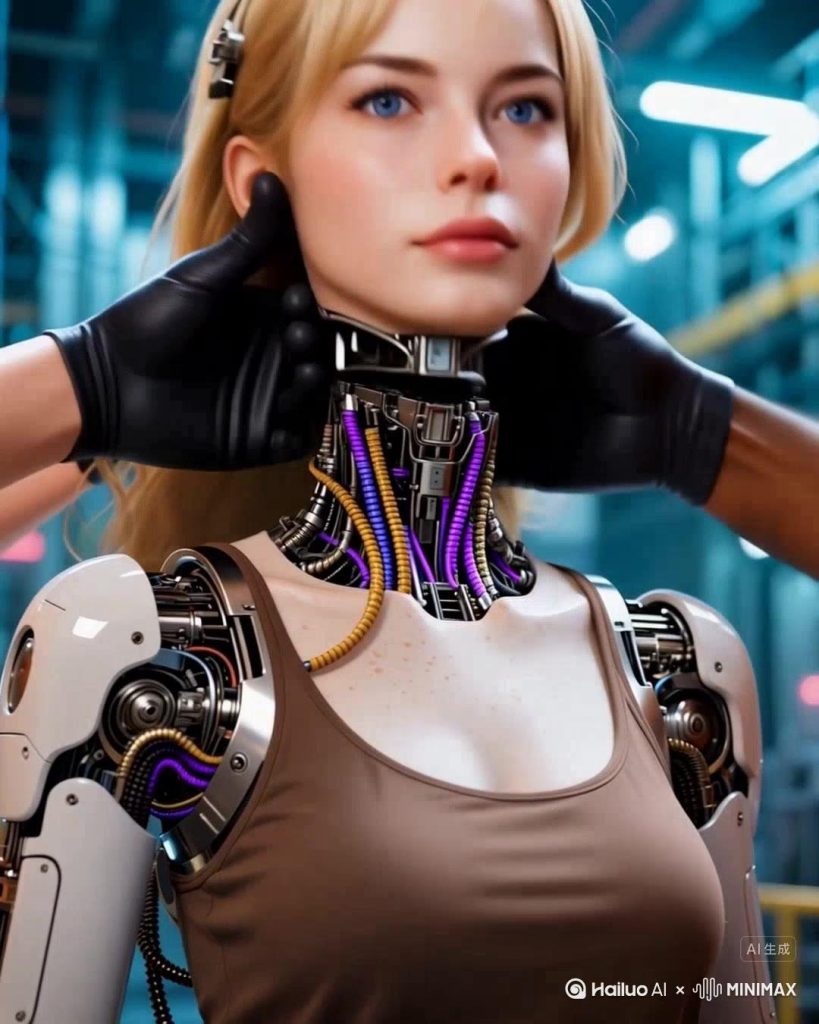
Begin by crafting effective prompts. Be specific about what you want: instead of “a logo,” write “a minimalist logo featuring a coffee cup with steam, navy blue and cream colors, modern geometric style.” Include details about mood, lighting, perspective, and artistic style. Mention specific art movements or artists if you want particular aesthetics. The more descriptive your prompt, the closer the result will match your vision.
After generating your first image, evaluate the results and refine your approach. Most platforms allow you to generate multiple variations simultaneously—take advantage of this to explore different interpretations. If the output isn’t quite right, adjust your prompt by adding or removing descriptors, changing style references, or specifying what to avoid using negative prompts.
Once you’ve achieved satisfactory results, download the images in appropriate resolutions for your intended use. Higher resolutions work better for print materials, while web graphics can use smaller file sizes. Many platforms offer upscaling features to enhance image quality further. Save your successful prompts for future reference, building a library of effective descriptions that produce consistent results aligned with your brand identity. Experiment regularly with different styles and approaches to discover what resonates with your audience and distinguishes your business visually.
Exploring Automated Video Creation
Automated video creation has emerged as a game-changer for small businesses seeking to expand their digital presence without substantial video production budgets. These AI-powered platforms transform static images, text, and audio into dynamic video content within minutes, eliminating the need for cameras, editing software expertise, or production crews. The technology analyzes your input materials and automatically applies transitions, effects, timing, and visual coherence to produce polished videos suitable for social media, websites, email campaigns, and advertisements.
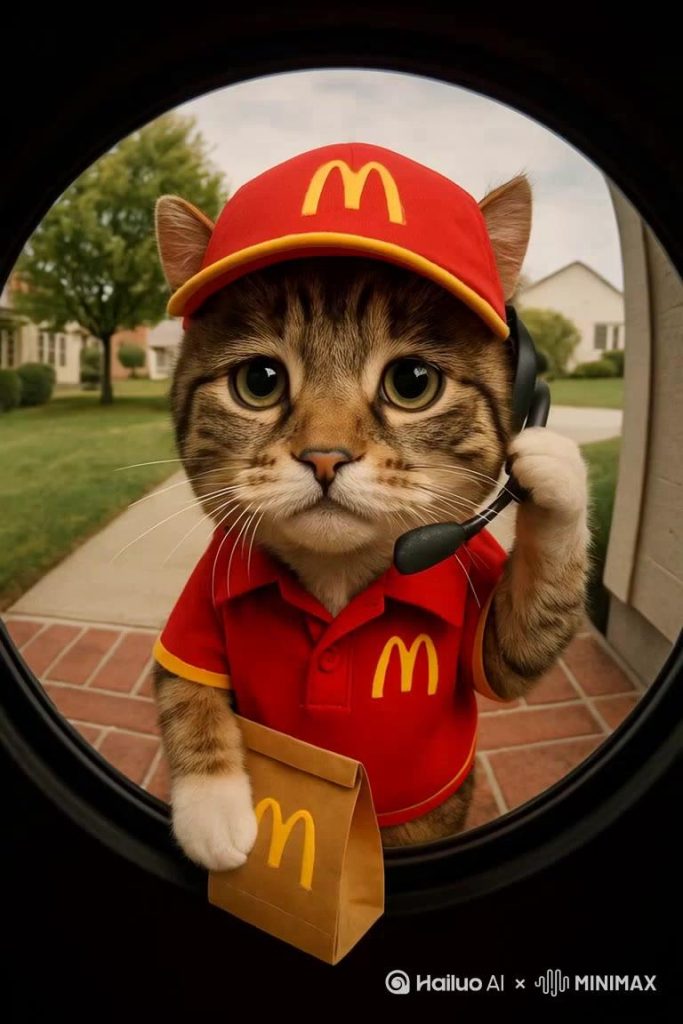
The marketing advantages of video content are well-documented—videos generate higher engagement rates, improve conversion metrics, and enhance message retention compared to text or static images alone. Automated video creation democratizes access to these benefits by removing technical barriers. Small business owners can now produce product demonstrations, explainer videos, customer testimonials, promotional clips, and educational content regularly without dedicating hours to manual editing or hiring videographers.
These tools typically offer templates designed for specific purposes and platforms, ensuring your videos meet technical specifications for Instagram Stories, YouTube, Facebook ads, or website headers. Many platforms incorporate AI-generated voiceovers, automatic captioning, and music synchronization, creating complete video packages from minimal input. Platforms like HailuoAI are advancing this space by combining multiple AI capabilities into streamlined workflows that handle various aspects of video production simultaneously. This automation enables consistent content production schedules essential for maintaining audience engagement. By leveraging automated video creation, small businesses can compete effectively in video-dominated digital landscapes, telling their brand stories compellingly and frequently without the traditional time and cost investments that once made video marketing prohibitive for smaller operations.
Popular Automated Video Creation Tools
Several platforms have distinguished themselves in the automated video creation space, each offering unique strengths for different business needs. Synthesia specializes in AI avatar-based videos, allowing you to create professional presentations with virtual speakers in multiple languages without filming yourself. You simply input your script, select an avatar and background, and the platform generates a video with synchronized lip movements and natural gestures. This proves particularly valuable for training videos, product explanations, and corporate communications where consistent presentation matters more than personal appearance.
Pictory excels at transforming long-form content into short, engaging video clips. Upload blog posts, articles, or scripts, and the AI identifies key points, selects relevant visuals from stock libraries, adds captions, and produces shareable videos optimized for social media. This capability helps businesses repurpose existing written content efficiently, extending its reach across different platforms and audience preferences without creating entirely new material.
Runway offers more advanced creative control, combining automated features with manual editing capabilities. Its AI tools include background removal, motion tracking, and style transfer, allowing businesses to produce more customized videos while still benefiting from automation where it saves time. The platform suits businesses wanting greater creative flexibility without fully manual editing complexity.
Lumen5 focuses on social media video creation with an intuitive drag-and-drop interface. It automatically suggests images and video clips based on your text input, matches them to your brand colors, and formats content for various social platforms. The tool emphasizes speed and simplicity, making it ideal for businesses maintaining active social media presences with limited time for content creation. Most of these platforms offer tiered pricing models with free or low-cost entry points, allowing small businesses to test capabilities before committing to subscriptions, and they continuously update with new features as AI technology advances.
Diving into Music Generation Software
Music generation software uses artificial intelligence to compose original soundtracks, jingles, background music, and audio elements without requiring musical training or instrumental skills. These platforms analyze vast libraries of existing music to understand patterns, harmonies, rhythms, and genre conventions, then apply this knowledge to create new compositions based on your specifications. You can define parameters like mood, tempo, instrumentation, duration, and style, and the AI generates unique audio tracks tailored to your requirements within moments.
The applications for small businesses are extensive and practical. Custom music enhances brand identity by creating sonic signatures that audiences associate with your company. Background tracks elevate video content, making promotional materials more engaging and professional. Podcast intros and outros benefit from original music that distinguishes your show from competitors. On-hold music, in-store ambiance, and event soundtracks can all be generated affordably without licensing fees or copyright concerns that accompany commercial music use.
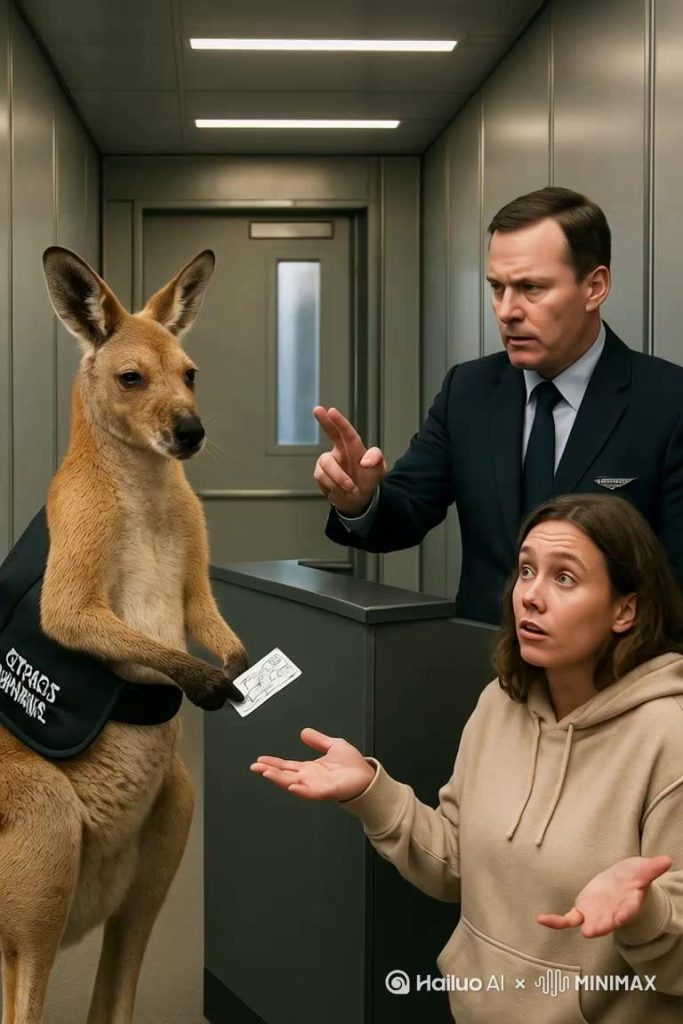
What distinguishes AI music generation from stock music libraries is customization and originality. Rather than selecting from pre-existing tracks that competitors might also use, you create unique compositions aligned precisely with your brand personality and specific project needs. The software ensures copyright-free output, eliminating legal complications associated with music usage. This technology empowers businesses to develop comprehensive audio branding strategies previously accessible only to companies with substantial marketing budgets, creating memorable auditory experiences that strengthen customer connections and enhance overall brand perception across all touchpoints.
How to Create Custom Music for Marketing
Creating custom music for marketing campaigns begins with defining your audio needs and brand identity. Consider the emotions you want to evoke—energetic and upbeat for fitness brands, calm and trustworthy for financial services, or playful and creative for children’s products. Identify where you’ll use the music: background for videos, podcast intros, social media content, or website ambiance. Each application may require different lengths, intensities, and structural elements.
Select a music generation platform appropriate for your skill level and requirements. Platforms like AIVA and Soundraw offer intuitive interfaces where you choose genre, mood, tempo, and instruments through simple selections rather than technical music terminology. Amper Music provides template-based approaches perfect for beginners, while Boomy emphasizes speed and simplicity for creating complete tracks quickly.
Input your parameters thoughtfully. Specify genre conventions your audience expects while adding distinctive elements that differentiate your brand. Experiment with instrumentation—acoustic guitars convey warmth and authenticity, electronic elements suggest modernity and innovation, while orchestral arrangements communicate sophistication and scale. Adjust tempo to match your message pacing: faster tempos energize and excite, slower tempos relax and reassure.
Generate multiple variations and test them against your visual content or marketing context. Music that sounds appealing in isolation might not complement your specific application. Evaluate how tracks interact with voiceovers, ensuring music doesn’t overpower spoken content. Consider cultural associations and audience demographics when selecting styles. Refine successful compositions by adjusting sections, extending or shortening durations, and modifying intensity curves to match narrative arcs in your content. Save your best compositions and document the settings that produced them, building a consistent audio library that reinforces brand recognition across all marketing materials while maintaining flexibility for different campaign needs and seasonal variations.
Creative Automation for Small Business Owners
Creative automation through AI tools fundamentally transforms how small business owners approach content production and marketing. The combined power of AI art generation, automated video creation, and music composition software eliminates the traditional bottlenecks of time, budget, and specialized expertise that once limited creative output. Small businesses can now produce professional-quality content at a pace and volume previously impossible without dedicated creative teams, leveling the competitive landscape against larger corporations with substantial marketing departments.
The financial benefits extend beyond direct cost savings. By reducing dependence on freelancers and agencies for routine creative tasks, businesses gain budget flexibility to allocate resources toward strategy, distribution, and customer engagement. The speed of AI generation enables rapid testing of different creative approaches, facilitating data-driven decisions about what resonates with audiences. This agility proves particularly valuable in responding to trends, seasonal opportunities, and competitive movements without lengthy production timelines.
Perhaps most significantly, creative automation empowers business owners to maintain consistent brand presence across multiple channels simultaneously. Regular content updates across social media, websites, email campaigns, and advertising become manageable even for solo entrepreneurs or small teams. This consistency builds brand recognition and audience trust while keeping businesses relevant in fast-moving digital environments. By embracing these ai free tools strategically, small business owners transform creative production from a resource constraint into a competitive advantage, enabling them to tell their brand stories compellingly, frequently, and professionally across all customer touchpoints.
Embracing AI-Powered Creative Solutions
AI art and music generation tools represent a transformative opportunity for small business owners to elevate their creative output without substantial investments in specialized talent or equipment. These technologies democratize professional-quality content creation, enabling entrepreneurs to produce compelling visuals, engaging videos, and custom soundtracks that strengthen brand identity and enhance marketing effectiveness. The accessibility and speed of AI-powered platforms eliminate traditional barriers, allowing businesses to maintain consistent, polished presence across multiple channels while competing effectively against larger competitors.
The strategic adoption of creative automation tools delivers tangible benefits: reduced production costs, faster content turnaround, greater experimentation flexibility, and the ability to respond quickly to market opportunities. By integrating AI art generation, automated video creation, and music composition software into your workflow, you gain the creative capabilities once reserved for companies with dedicated departments. Start exploring these platforms today, experiment with different approaches, and discover how AI-powered creativity can transform your marketing efforts, engage your audience more effectively, and unlock new possibilities for business growth in an increasingly digital marketplace.